
How to Reupholster Furniture for Beginners
There is something wonderfully satisfying about giving a tired, old piece of furniture a second lease of life. Whether you’re refurbishing a second-hand footstool found at a local charity shop, or you’re giving a family heirloom a fresh upgrade, reupholstery gives you a chance to work with your hands and create something truly one-of-a-kind.
But with so much to think about, from choosing the right fabric to mastering the technique, it can be difficult to know where to begin. Read our simple step-by-step guide on how to reupholster furniture, with practical tips and advice to help bring your vision to life.
Your reupholstery toolkit
The first step to reupholstering furniture is gathering the right tools. Here’s what you’ll need:
- Staple gun and staples
- Fabric scissors
- Screwdriver or pliers (for removing old staples)
- Measuring tape
- Your chosen upholstery fabric
- Wadding, piping cord, or trim (optional)
How to reupholster a chair
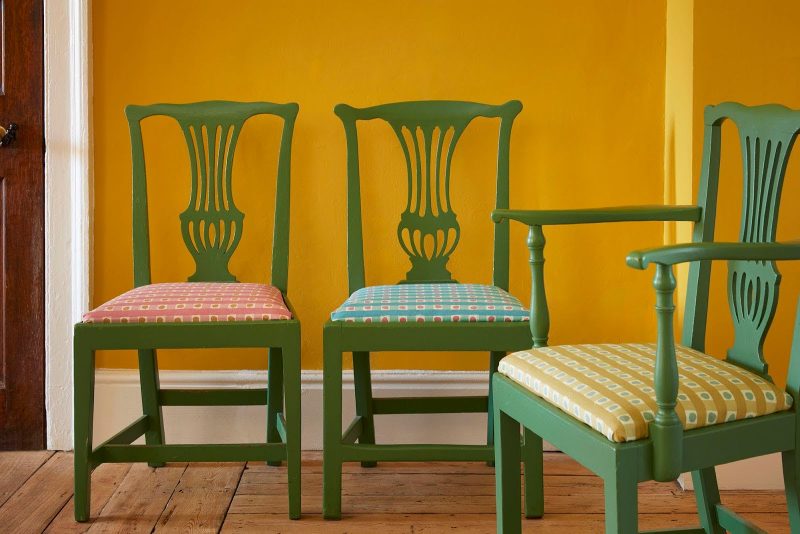
- Remove the seat – turn the chair upside down and unscrew the seat base.
- Take off the old fabric – carefully remove any staples and peel back the fabric. Keep the old fabric as a template for later on.
- Check the padding – if the foam or wadding is worn, replace it or add a fresh layer.
- Cut your new fabric – lay your upholstery fabric flat and cut around the old piece, leaving a generous border around the edges.
- Staple the fabric into place – pull the fabric taut and staple underneath, working from the centre outwards.
- Reattach the seat – fix the seat back onto the frame.
Chair reupholstery idea: Consider adding a simple decorative trim or contrast piping around the edge of the seat to give it a neat, tailored finish.
How to reupholster an ottoman
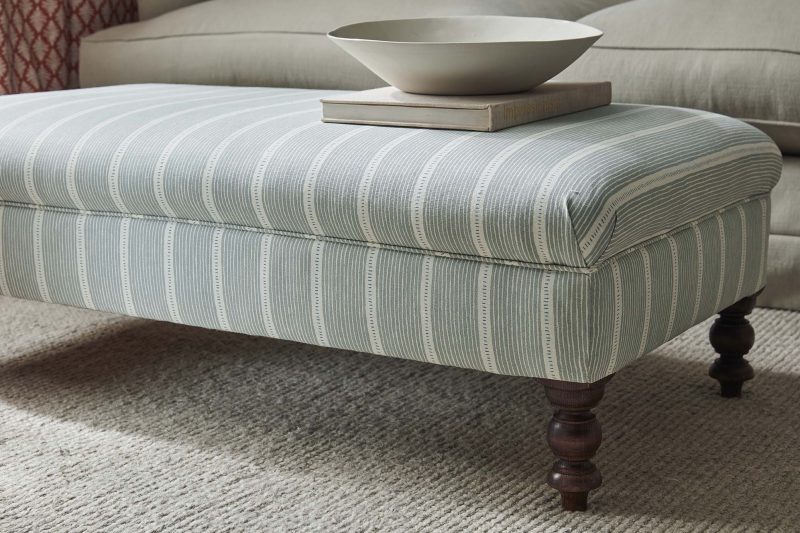
- Remove the top (if separate) – detach the lid if it’s separate, or work with the whole piece if it’s fixed.
- Strip back any old layers – remove the fabric and check whether you need to replace the padding.
- Add new wadding (optional) – if the padding feels flat, add a fresh layer of wadding across the surface of the ottoman.
- Wrap and staple your fabric – centre your fabric over the ottoman, pull it evenly over the edges, and staple it underneath.
- Reattach the lid – place the upholstered lid back onto the base, ensuring everything is aligned before securing it in place.
Ottoman reupholstery idea: Add extra padding for a softer and more luxurious feel, or experiment with buttoning on the top for that classic, upholstered look.
How to reupholster a sofa
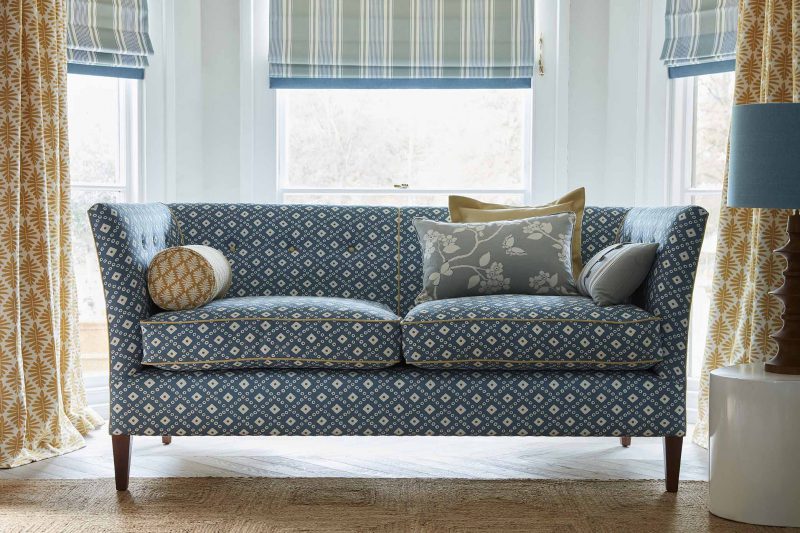
- Take photos of each stage before removing anything – this will help you remember how everything fits back together when reassembling.
- Carefully remove old upholstery – work section by section, keeping each piece as a template for the new fabric.
- Repair the frame – replace or upgrade the springs, webbing, and/or structure of the frame if needed.
- Cut and fit your new fabric – lay your upholstery fabric flat and cut around the old pieces, allowing for seam allowances.
- Staple and secure the fabric – pull the fabric taut and staple underneath, working from the centre outwards.
- Reassemble your cushions and covers – move your accessories back into place.
Sofa reupholstery idea: Add contrast piping along the arms or cushions, or reupholster the seat and back cushions in a slightly different but complementary fabric for a layered look.
How to choose the best fabric for reupholstering furniture
Your choice of fabric makes all the difference when reupholstering furniture; both in how your piece looks, and how it wears over time. Here’s how to choose the right fabric for your reupholstery project:
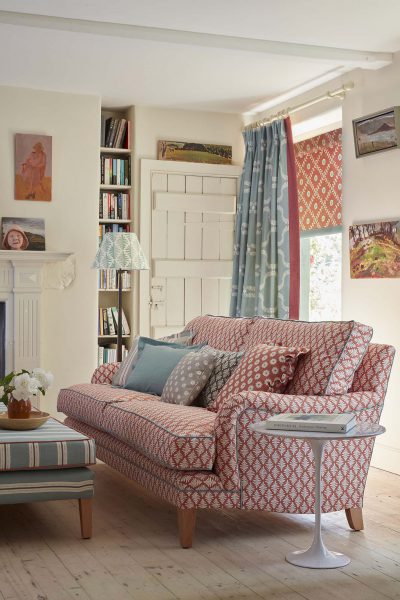
Think about scale
As a general rule of thumb, larger patterns like our Sunflower and Wild Fern designs are ideal for bigger pieces like sofas – while smaller designs like Simple Ticking Detail or Fine Foliage work better on chairs and footstools.
Choose a durable material
Your choice of fabric needs to be able to withstand heavy use. Our signature linen union fabric (a blend of linen and organic cotton) is the perfect choice for reupholstery projects, thanks to its strength and durability.
Consider contrast piping
Contrast piping is ideal for accentuating the curves and lines of your furniture without dominating the look, allowing you to add definition and tie colours together across a room. Look for a piping fabric that contrasts with your main fabric, but still works harmoniously with the rest of your scheme.
Find your new favourite design from our upholstery fabric collection
At Vanessa Arbuthnott Fabrics, we’re proud to offer a fantastic collection of upholstery fabrics in a huge range of beautiful, nature-inspired designs.
From delicate florals to timeless stripes and characterful checks, our upholstery fabrics are perfect for giving your tired, old furniture a new lease of life. Printed in the UK on high-quality cloth using traditional techniques, our designs are created with both style and durability in mind; making them ideal for everything from everyday sofas to much-loved occasional pieces.
Explore our upholstery fabric collection to find your new favourite design.
FAQs
How much fabric do I need to reupholster furniture?
The amount of fabric you’ll need to reupholster furniture all depends on the size and shape of the piece. You may only need half a metre for a dining chair seat, but you could need 10-15 metres for a sofa. Always measure carefully and allow a little extra for pattern matching.
Can I reupholster furniture with any fabric?
Not all fabrics are suitable for reupholstering furniture. Opt for specific upholstery fabrics with high rub counts that are durable enough for everyday use.
Is reupholstery suitable for beginners?
Yes, reupholstering furniture is suitable for beginners. We recommend starting with a simple project like a single chair or an ottoman, and building your confidence from there.
We sell fabrics exclusively designed by Vanessa Arbuthnott, along side small, bespoke collection of Made to Measure items which includes curtains, blinds, sofas, footstools, chairs, headboards, and quilts, all handmade specially for you by master crafts people.